Matches
Detailed tactical breakdowns of La Liga, Premier League and Champions League fixtures.
Open MatchesTraining Methods
Resources and insights into effective football training methodologies and player development strategies — technical work, tactical drill design, and the transfer of positional play concepts onto the training pitch.
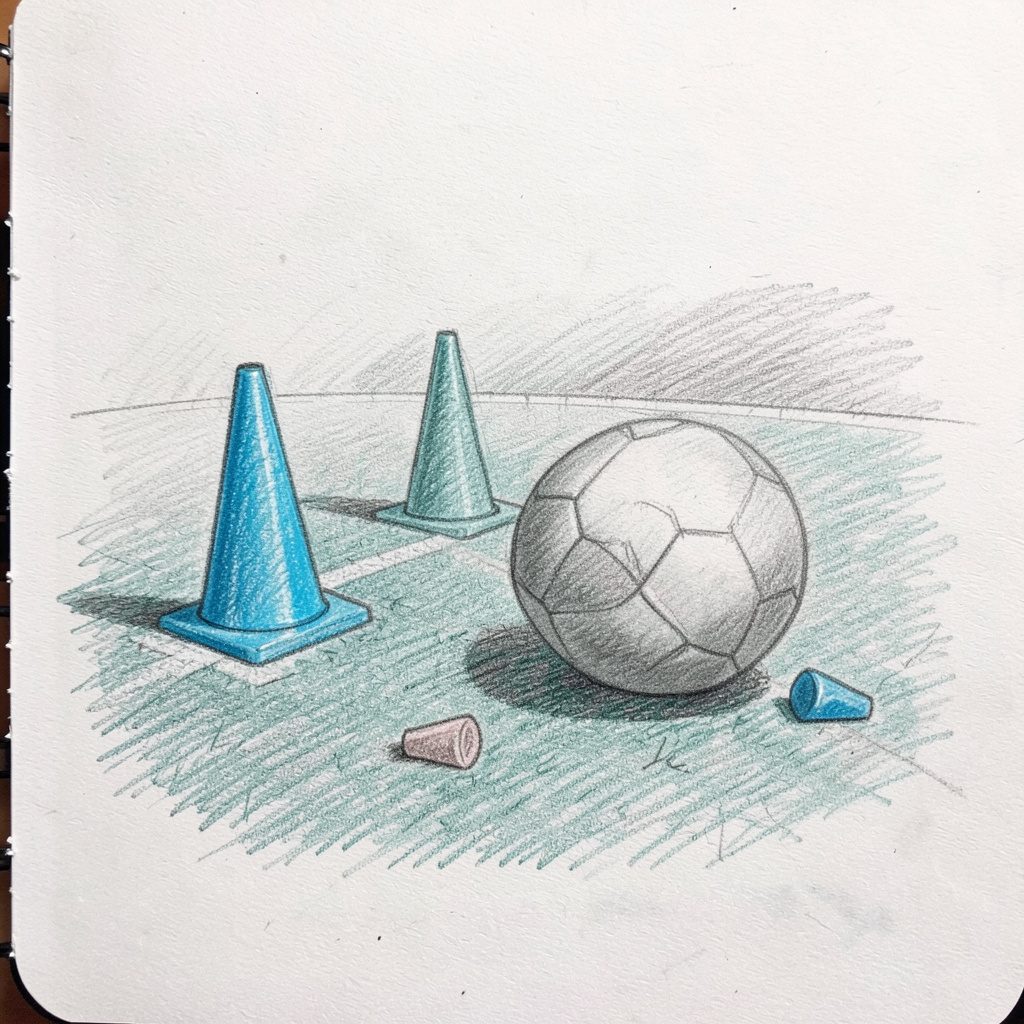
Training work sits alongside the written match and tactical analysis on this site. The material is organised around two connected strands: the repetition of technical and tactical drills, and the way positional play concepts can be integrated into everyday training sessions.
Both strands aim at the same outcome — sessions where players understand not only what to do with the ball, but why the shape of the team around them makes that action sensible.
Methodology
Consistent repetition of the ball technique that the drill depends on, so players arrive at the tactical phase already competent enough to make decisions under pressure.
Drills are shaped around a tactical intention — a pressing trigger, a passing lane, a rest defence — rather than treated as an abstract possession game.
Positional play concepts are integrated into the session itself, so that spacing, width, depth and occupation of spaces are practised rather than only described.
Progression from isolated work to small-sided and full-sided formats, keeping a clear link between what is coached and what the player will face in a match.
Effective football training methods combine deliberate technical repetition with tactical situations that mirror the demands of real matches. Drills can be designed to sharpen passing, movement, ball retention, and decision-making while giving players clear objectives and measurable cues. Organising sessions around phases of play helps coaches connect individual actions to team shape, so players begin to understand not only what to do, but when and why it matters. This training-methods page explores that blend of practical drill design and written tactical analysis, aiming to support player development through purposeful, repeatable, and well-explained work on the pitch.
Training should reproduce the decisions a player must make, not only the movements a coach wants to see.
Training methodology noteFor the written side of this work, the Theory section examines positional play and the systems of elite coaches, while Matches and History provide the game footage that a drill is meant to mirror.
Related sections of the Adin Osmanbasic archive.