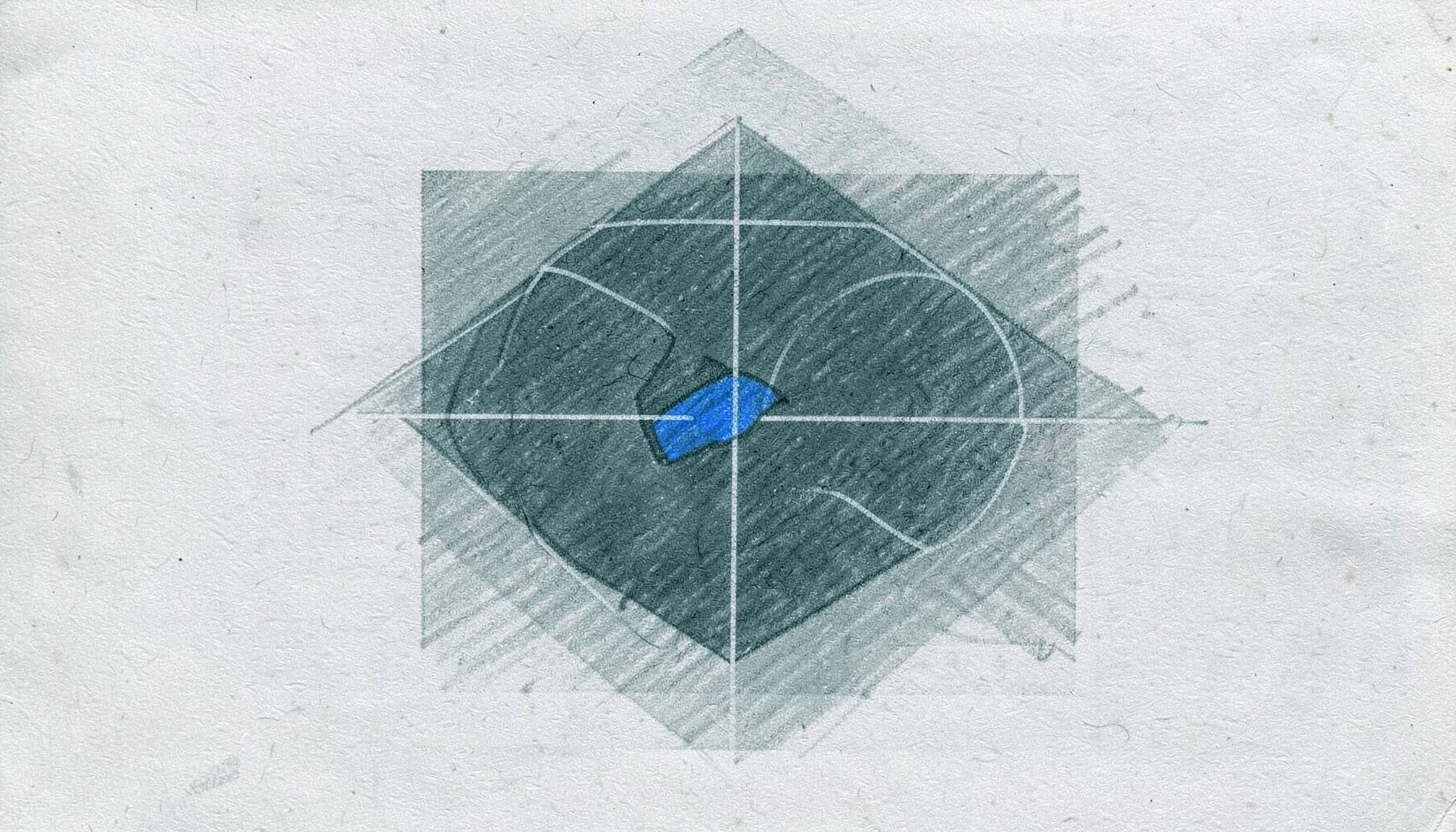
Match Moments
Key Moments, Frame by Frame
Short sequences reviewed to show how a shape held or broke down in real match conditions.
Video Content
Visual guides and video essays that complement the written analysis on tactics and matches — moving shapes on the pitch explained frame by frame, alongside the coaching methods behind them.
Format
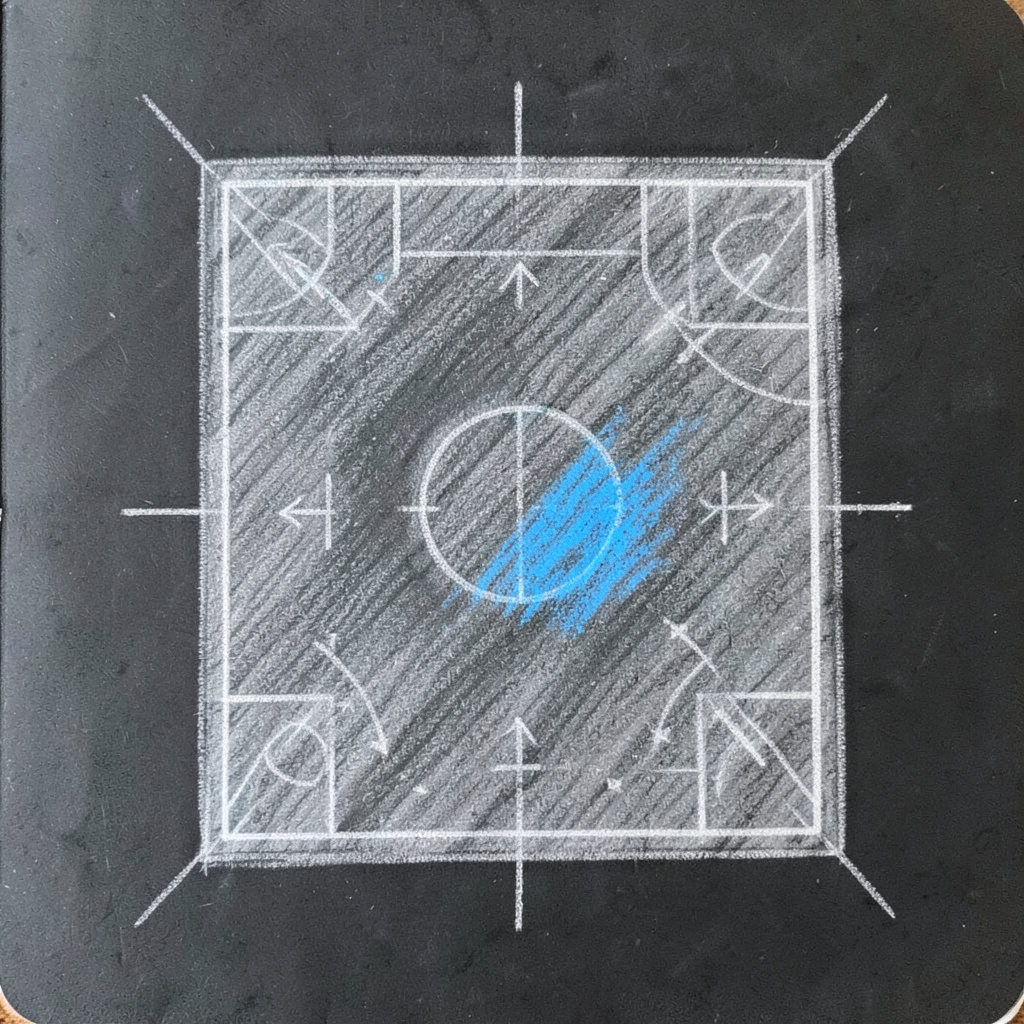
Written match breakdowns show the reasoning; the video essays show the same ideas in motion. Each piece pairs a short sequence of match moments with a simple visual aid — pitch maps, spacing diagrams and movement arrows — so the tactical idea stays readable at a glance and can be repeated on the training ground.
Library
Each entry pairs a moving sequence with a diagram that explains what the players are doing and why.
Short sequences reviewed to show how a shape held or broke down in real match conditions.
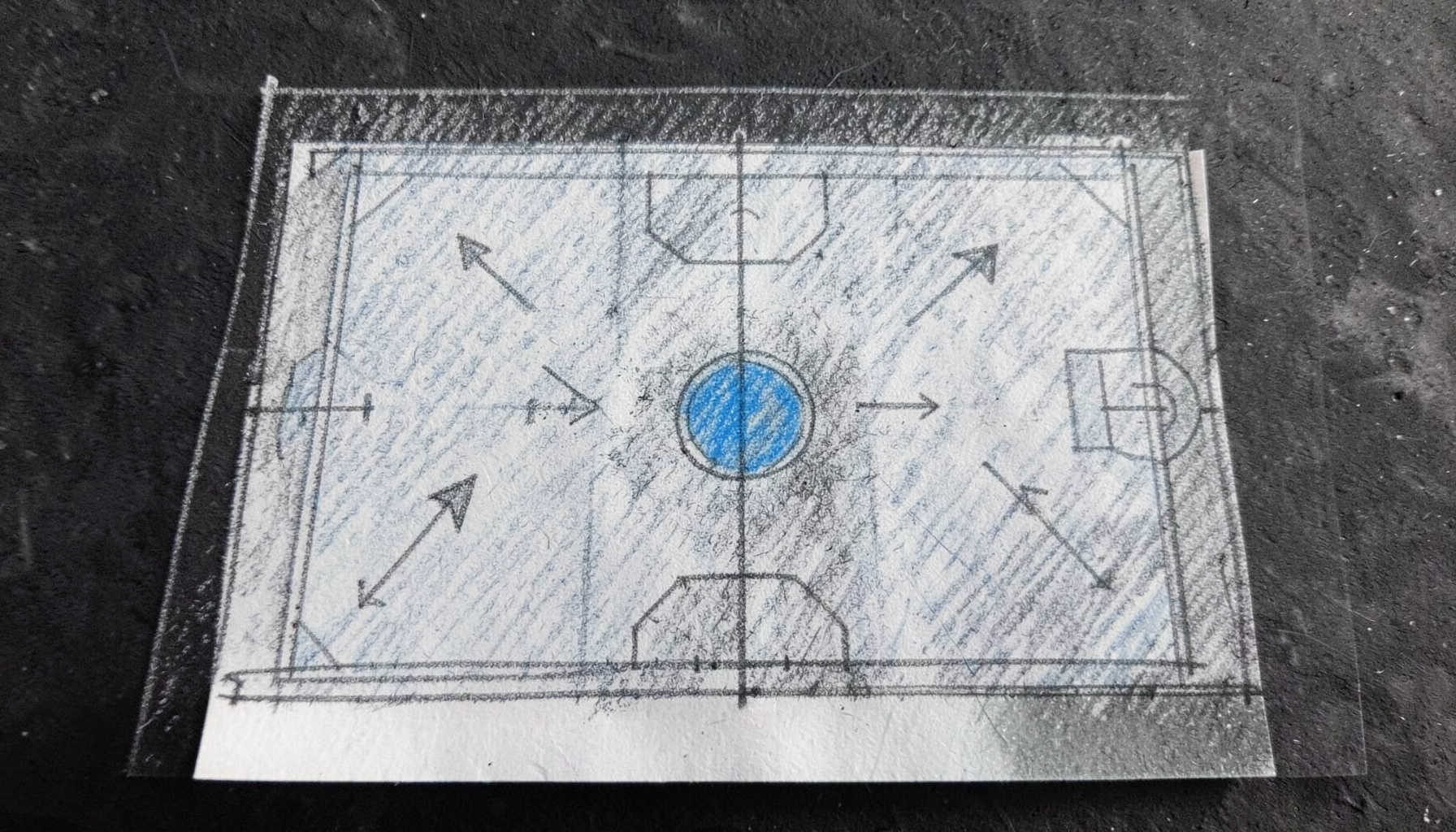
Visual aids that lay out the spacing principles behind positional play in a single frame.
Football is a game of shapes before it is a game of moments, and the visual work on this site exists to make those shapes legible. Each video essay pairs short sequences of match footage with a simple visual aid — pitch maps, spacing diagrams, movement overlays — so the viewer can see how a structure held, bent, or collapsed over the course of a passage of play. The written analysis carries the reasoning; the videos carry the rhythm. Together they show the same tactical ideas twice, once in words and once in motion, which helps players and coaches connect theory to what actually happens on the field.
Modern football analysis has increasingly followed the ball across the pitch rather than dwelling on it. By charting where players stand, how wide the distances between lines become, and how the team in possession manipulates space, a coach can explain far more than a scoreline ever will. That is the lens behind the match breakdowns and video essays here: reading the game from the shapes rather than from the events alone, and showing how a single positional adjustment can ripple through an entire phase of play.
The coaching methods behind these visuals matter just as much as the diagrams. Sessions built around decision-making, game understanding, and the responsibilities of each role tend to transfer better to real matches than isolated technical drills, and the material on this site reflects that emphasis. Working with academy and youth players means explaining the reasoning behind a shape, then letting them practise reading it live, so that recognising the pattern becomes instinctive rather than theoretical.
Analysis of football has been a long-running interest rather than a recent pivot, and the writing and video content here reflects a habit of studying the game closely and sharing what that study reveals. Explaining modern trends, breaking down matches, and discussing tactical concepts in plain language is a way of continuing that research in public. The goal is straightforward: make dense, often overlooked details of the game easier for players, coaches, and anyone curious about football to see, question, and apply.

The same tactical ideas translated into training work, so a concept can be practised and repeated.
Programme
Topics drawn from the written sections of the site, each staged as a video essay with visual support.
Companion visuals for the Juego de Posición discussion: spacing, occupation of zones and the passing lanes that hold them together.
A moving study of Barcelona against Real Madrid, tracking how each side's structure changed across the phases of play.
Historic finals revisited with modern annotation, showing how the tactical ideas of those teams read on screen.
Selected systems from prominent coaches set out in diagram form, linking their decisions to the shapes they produced.
Note
Each video entry is designed to work on its own and alongside the written analysis. Watch the sequence first, pause on the diagram, then use it as the reference when discussing the tactical point in a training session.
For the reasoning behind the ideas on screen, start with the written sections: Matches, Theory, History and Coaches.
Follow
The written archive covers match breakdowns, tactical theory, training methods, coach and player analysis, book analysis and football history. Video essays sit alongside it as a visual companion.